

general.skipToContentLink general.skipToSearch general.skipToNavigation
Barefoot starts at BÄR.
Freedom Pioneers
Original since 1982.
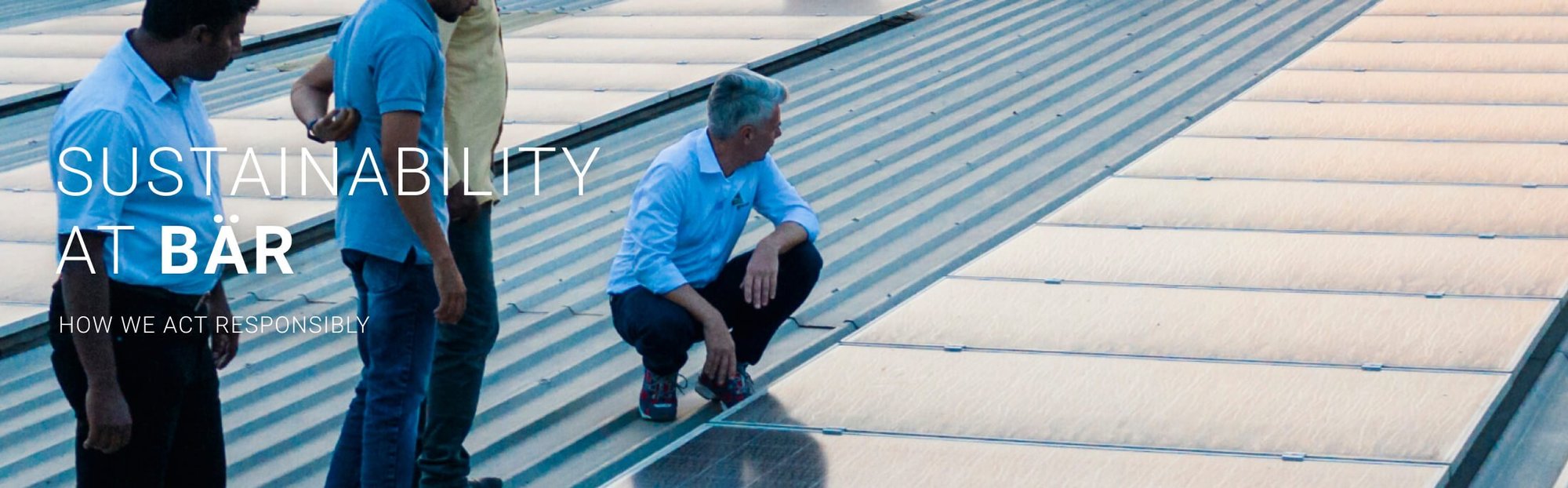
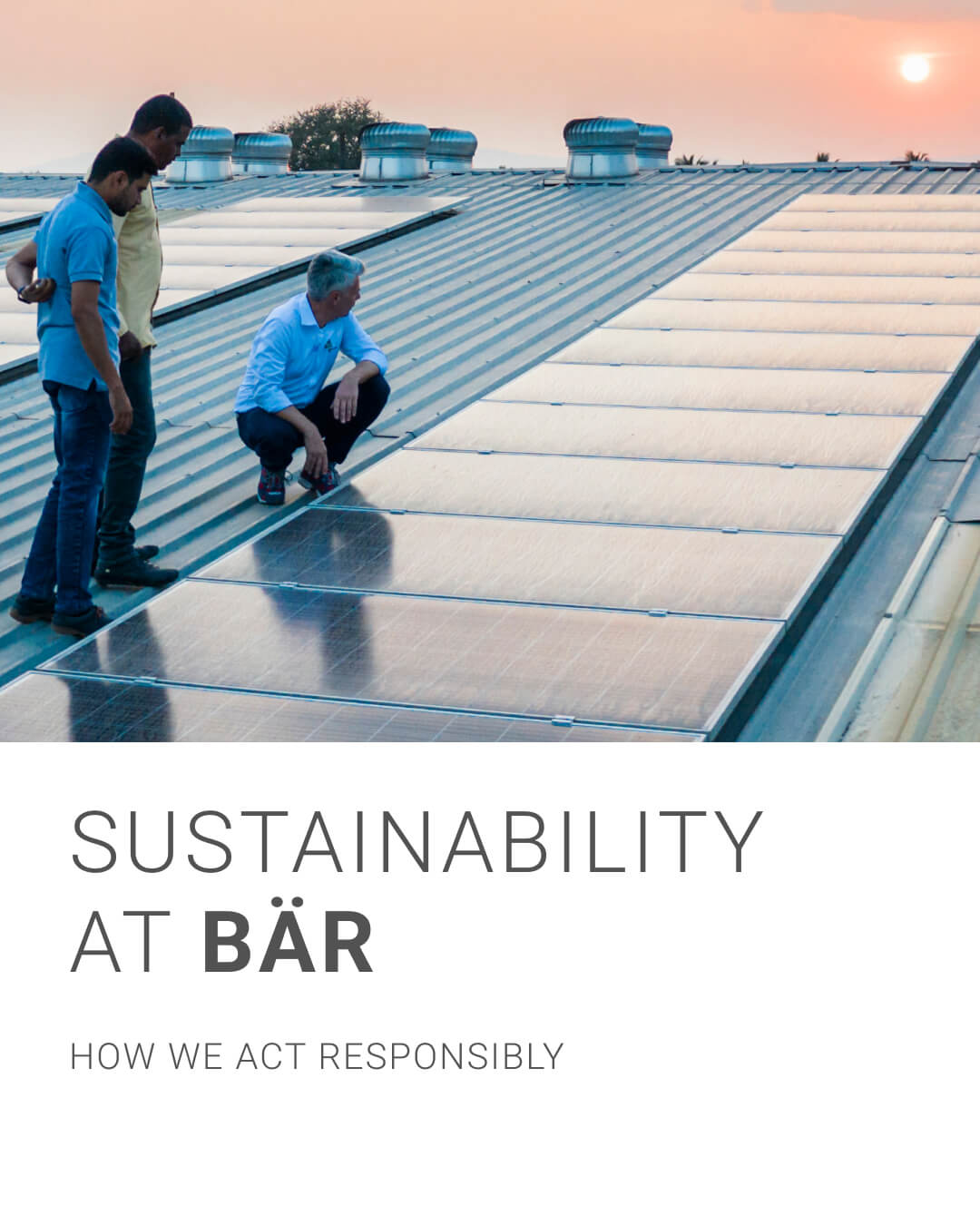
Men examining solar panels on a rooftop for sustainability efforts
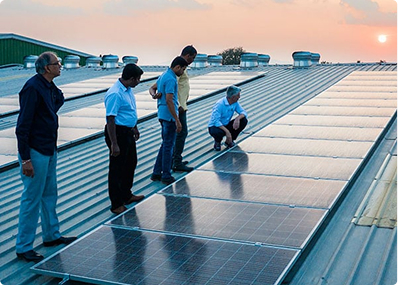
Three men inspecting solar panels on a rooftop during sunset, promoting Bär's commitment to sustainability.
Logos for ISO 9001 Quality Management, ISO 14001 Environmental Management, ISO 45001 Health and Safety Management, and Partnership for Compliance
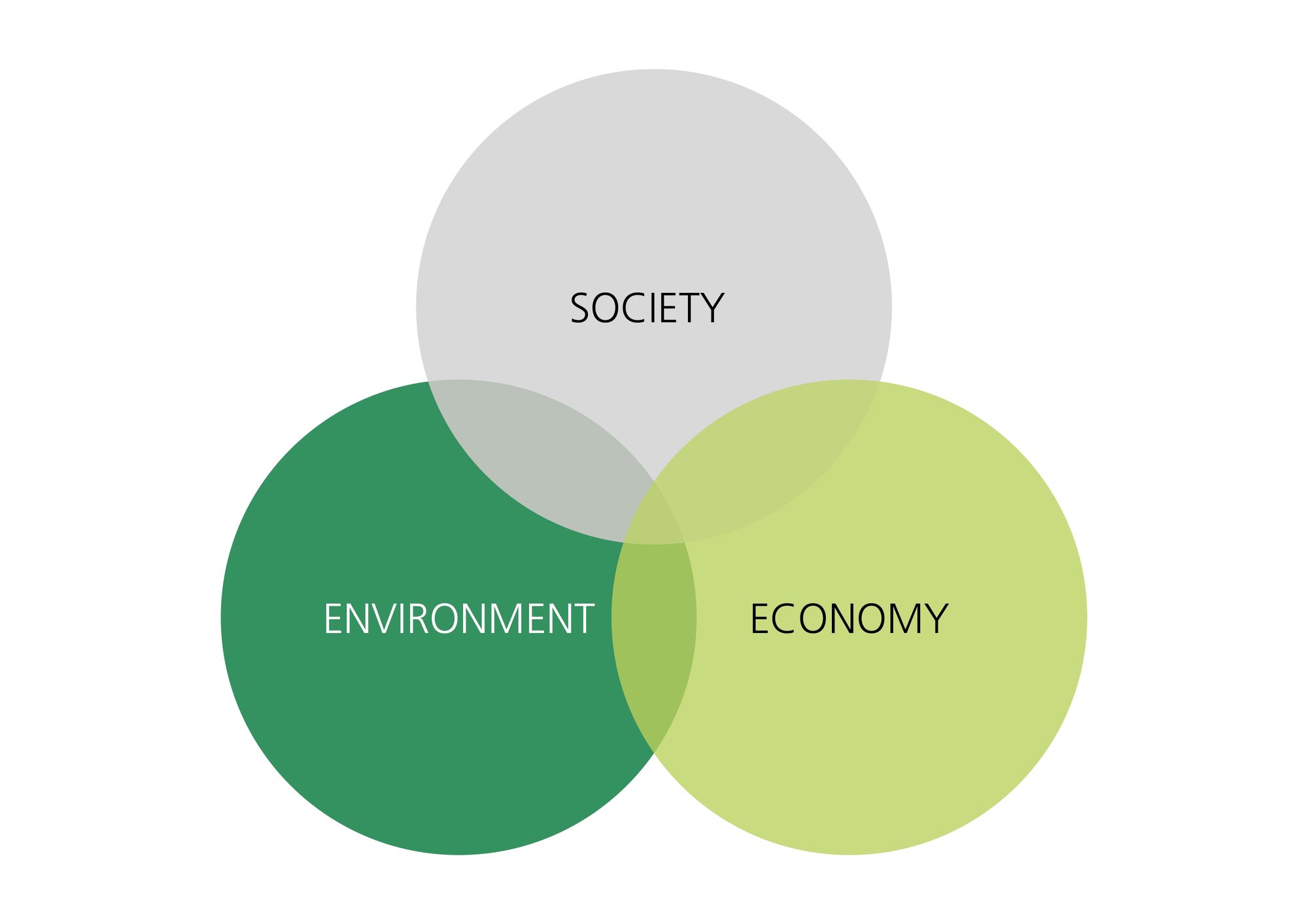
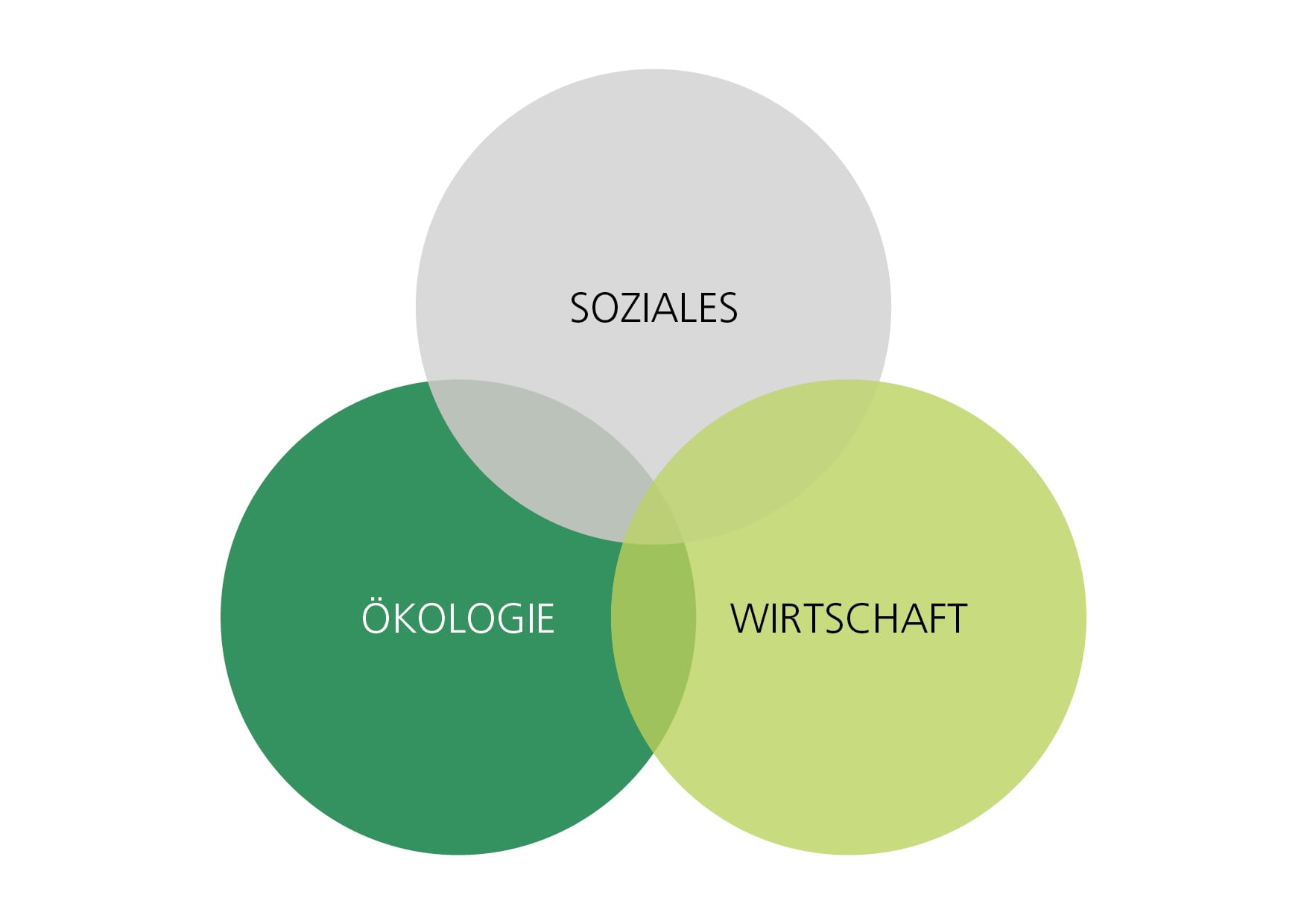
Venn diagram illustrating the three pillars of sustainability: Society, Environment, and Economy.

Make sustainable choices!

Sustainability is ingrained in the product and production philosophy which applies to BÄR shoes because they are made using natural materials, have an above-average lifespan. BÄR supports the three pillars of social, economic and environmental sustainability with a comprehensive sustainability strategy.

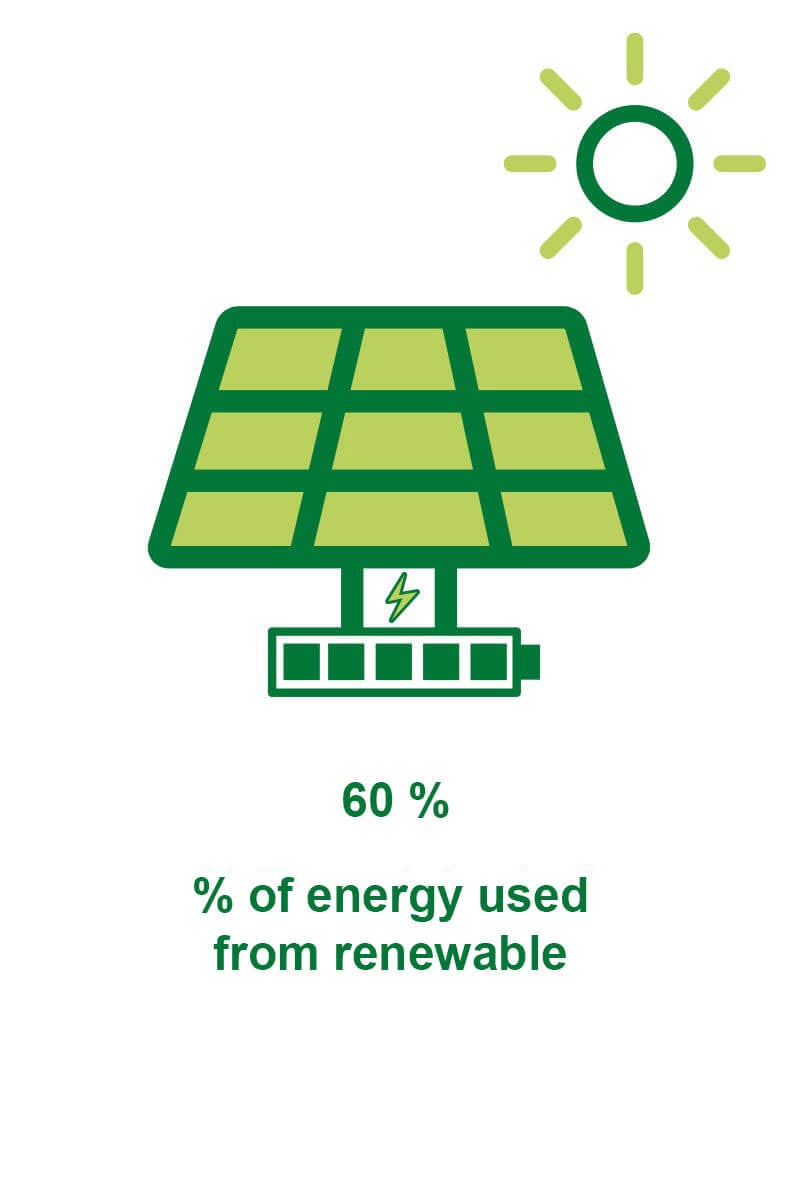
The German Sustainability Award emphasises: "BÄR has integrated sustainable solutions in all areas of the company and has been assuming ecological responsibility for many years. In its own production in India, BÄR is a pioneer and role model for resource-conserving handling and sustainability. For example, they cover over 60% of their energy requirements with renewable energies, saving around 81 tons of CO2 per year."

You help to make this possible too, every time you buy one of our products.

Dr Claudia Schulz – also known as ‘Dr Shoe’ – is a footwear expert and press officer of both the Federal Association of the German Footwear and Leather Goods Industry and the German Shoe Institute. She is also a presenter, trend consultant, blogger and freelance journalist. Her mission: shoes! Dr Schulz asks Christof Bär, Managing Director of the BÄR workshop, a few questions about sustainability, the idea behind the business, leather and all sorts of other things.

This is sustainability at BÄR in numbers per year

Graphic showing a solar panel and a sun icon, indicating 60% energy sourced from renewables
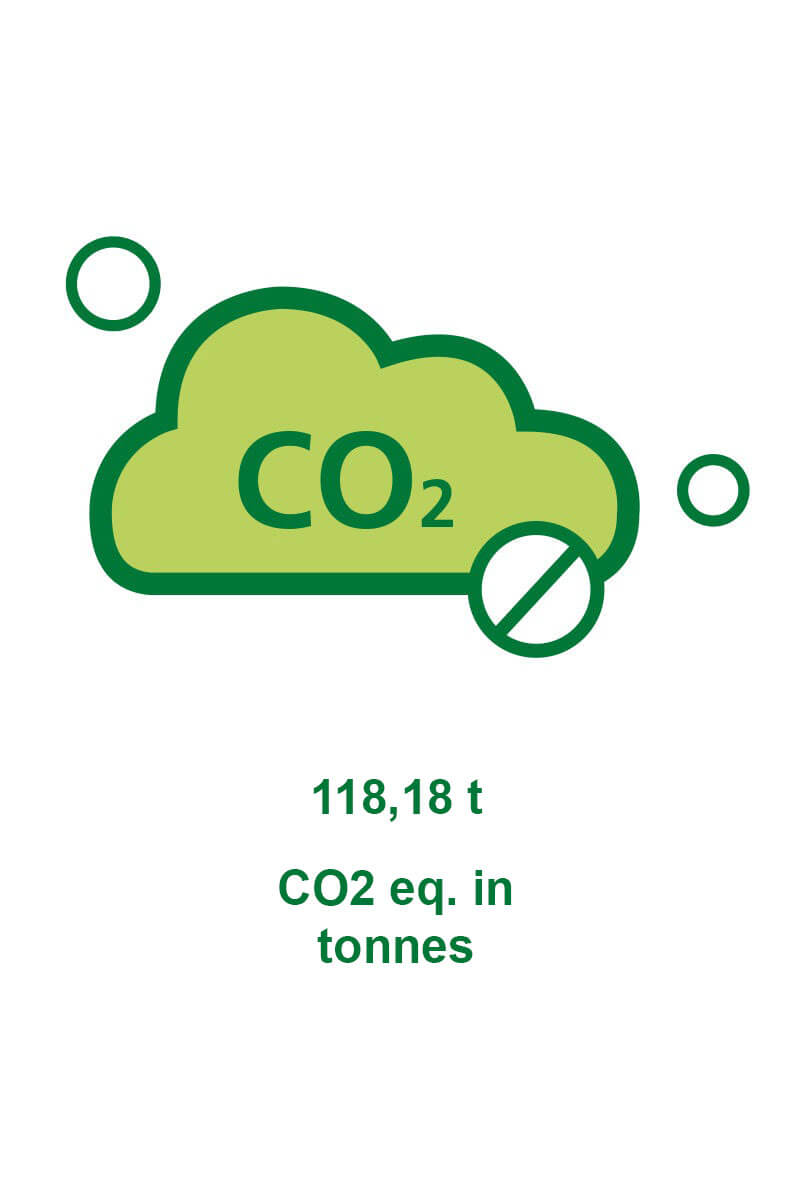
Visual representation of a carbon cloud with CO2 emissions totaling 118.18 tonnes.
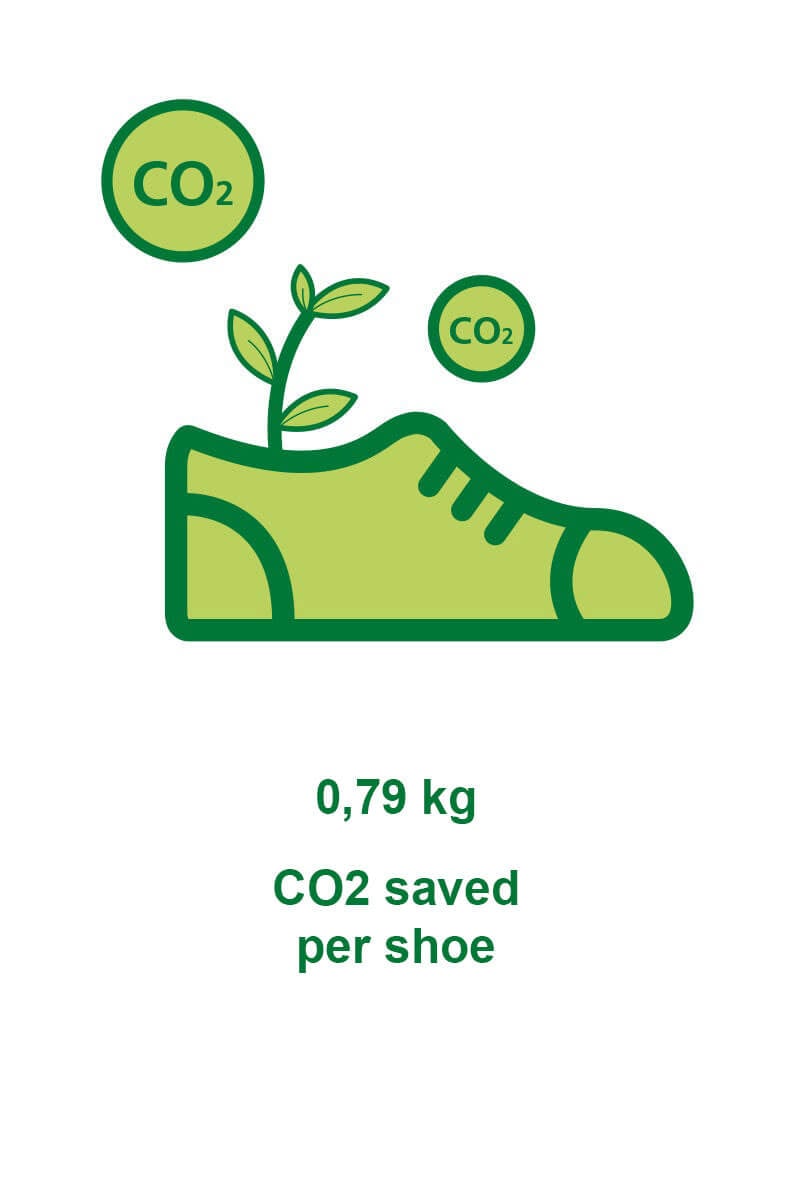
Illustration of a sustainable shoe with a growing plant, indicating 0.79 kg of CO2 saved per shoe

The choices we make today determine what the world will be like tomorrow!

Logo of BÄR with a green recycling symbol and the slogan 'Recycles Instead of Destroying'.

We distribute our shoes ourselves and can plan our quantities exactly, remaining pairs are offered in our outlet. We use leftover material either for new models or for accessories like bags or shoehorns. This is important to us.

Check out our latest sustainability project here.

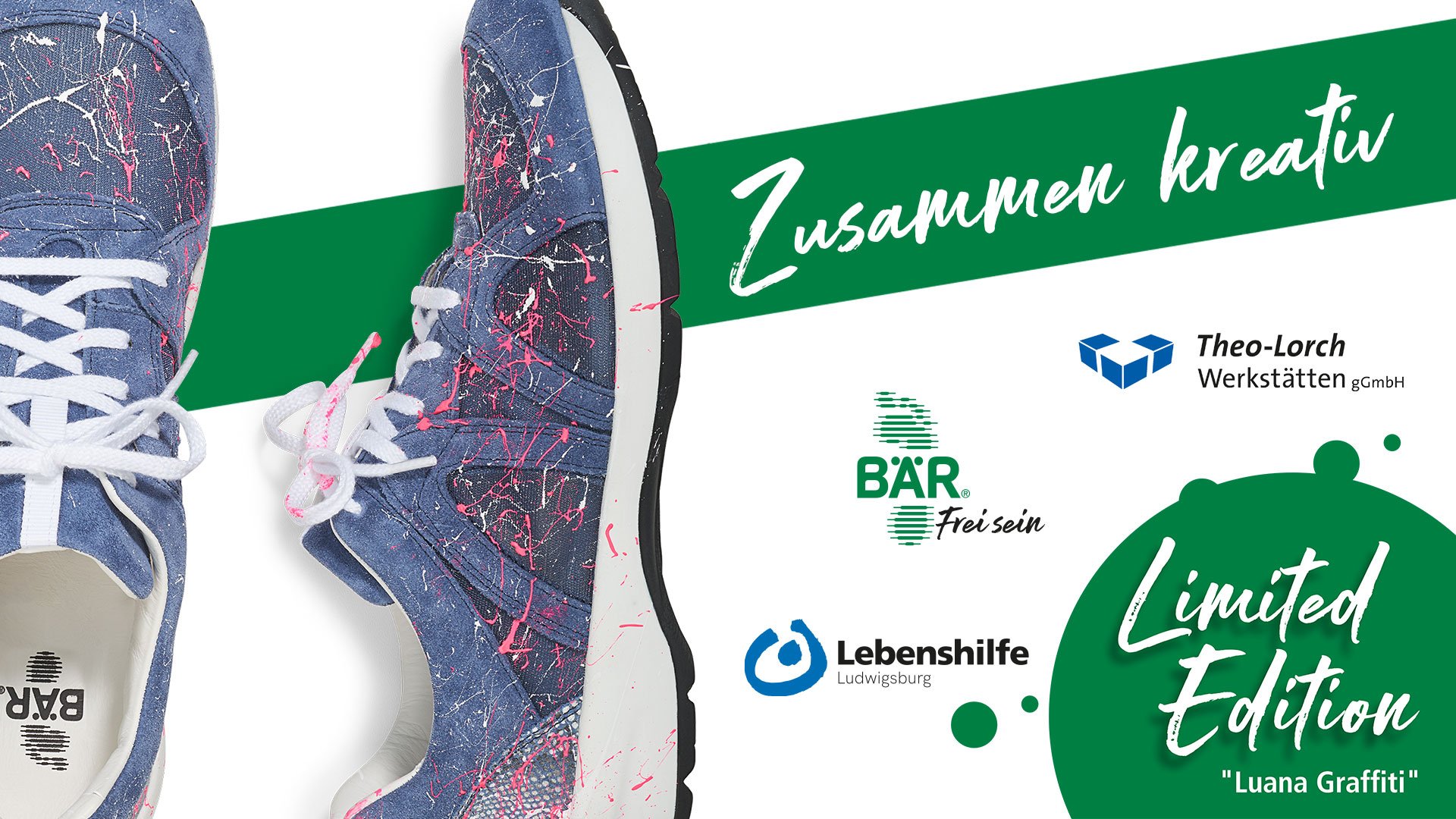
Luana Graffiti

Blue and pink splatter design shoes by BÄR, part of the 'Luana Graffiti' limited edition, with logos from Theo-Lorch Werkstätten and Lebenshilfe Ludwigsburg.

Select the individual sustainability area to learn more about it

Renewable energy

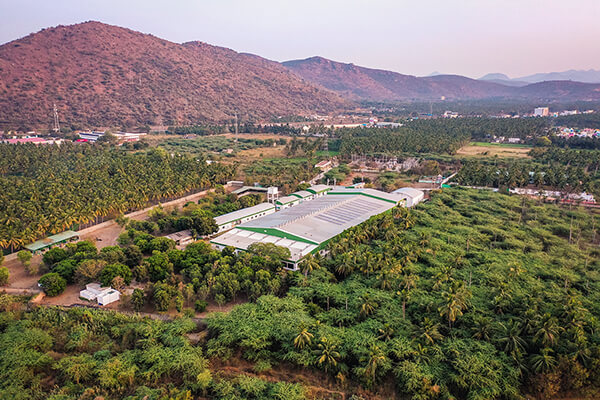
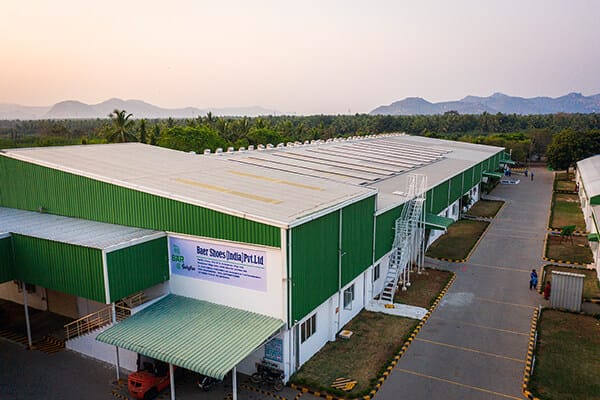
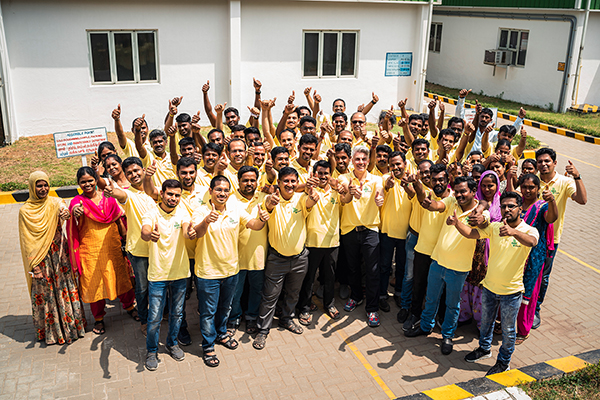
The brand BÄR applies the same climate protection standards in India as at its site back home in Germany. Both in India and in Germany, we source more than 60% of the energy we use from renewables. A wastewater treatment plant in Ambur (India) provides an impressive 16,000 liters of groundwater per day. This plant also saves energy, as there is no need to pump water from the well. The absence of harmful chemicals in gardening eliminates soil pollution. In 2020, we also succeeded in saving 81.78 tonnes of CO2, which is equivalent to travelling about 400,000 km – or ten times around the world – in a medium-sized petrol car.


Quality lasts

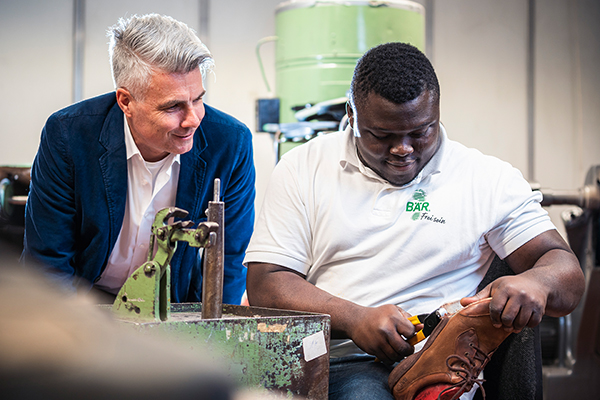
With more than 6,000 resoles per year, our repair service gives footwear a second lease of life. This counteracts society’s throwaway mentality and enables shoes to be worn for longer, instead of being discarded. The first principle of sustainability is that a product should last as long as possible. The more time passes before a product needs replacing, the less waste is produced and the more sustainable it is. That is why we say: Quality lasts!

BÄR shoes last two to four times longer than conventional shoes! The materials used by BÄR comply with strict quality standards and are tested for durability. These materials should retain their functionality throughout the products’ entire useful life. We also offer our customers a 36-month guarantee, founded on our high standards and confidence in the quality of our products. Our Joe Nimble® sports brand comes with a two-year warranty.


Origins of raw materials

If leather is processed properly, it is recyclable and biodegradable. Leather is a natural product which has been used for hundreds of years and is extremely durable if it is looked after well. At BÄR, we also pay very close attention to the quality and origins of our materials. This means we source most of our leather from Europe, using suppliers and long-standing companies that we know and regularly audit for quality, efficiency and working practices/conditions. The majority of the remaining leather – such as lining leather – is bought near our production site in India. We only select leather which meets our exacting standards of quality.


Fairness

We do not classify people by their culture, beliefs, gender or orientation. What is more, we support a clear ban on child labour, forced labour and discrimination. Working conditions at our sites in Germany and abroad are regularly audited and certified (see certificates). Equitable, dignified working conditions, fair wages, and occupational health protection are priorities for us as a family company. These criteria apply to our staff, store operators and suppliers alike.


Commitment to society

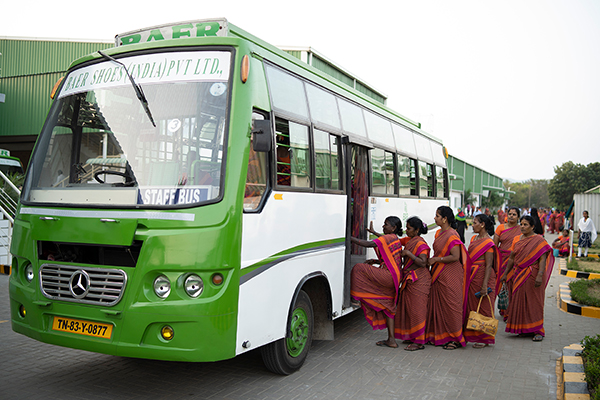
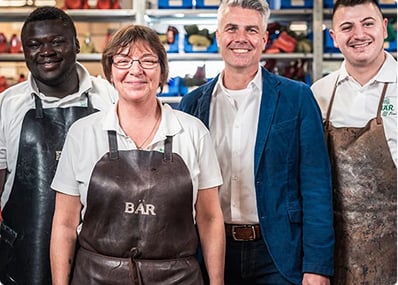
We respect and appreciate people and nature. Good working conditions are very important to us. In addition to healthy food and an eco-friendly, ergonomic workplace, we offer flexible, individual working-time models including working from home, part-time and continuing professional development.


Social responsibility

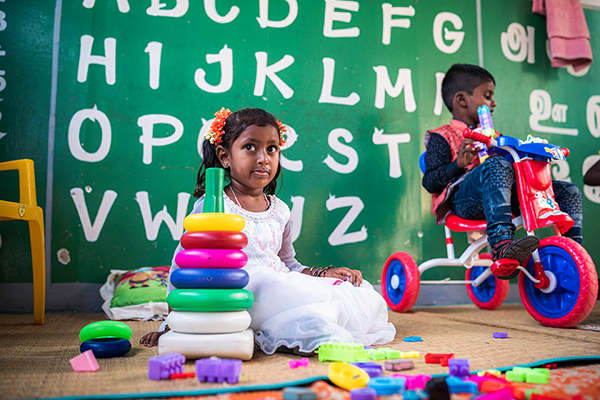
Supporting social projects around the world is an important part of BÄR’s social sustainability work. BÄR helps a school for deaf-mute children in India, for example by installing a drinking water filtration system in 2020 and by providing school uniforms and teaching resources. BÄR is also involved in numerous other social projects:

• Regular donations of footwear to organisations such as INVITARE

• Supporting the Lions Club

• Donating face coverings to schools in Bietigheim-Bissingen


Education

To promote long-term economic sustainability, BÄR invests in the future by helping local school-leavers with training and offering a cooperative education programme which is the only one of its kind in the world. Recognised as a training provider by the chamber of commerce, BÄR employs up to 20 apprentices and students in various fields. They gain experience in all sorts of areas – from product management to purchasing and from bookkeeping to digitisation and Web design – ensuring that BÄR’s expertise is preserved and expanded.


Innovation

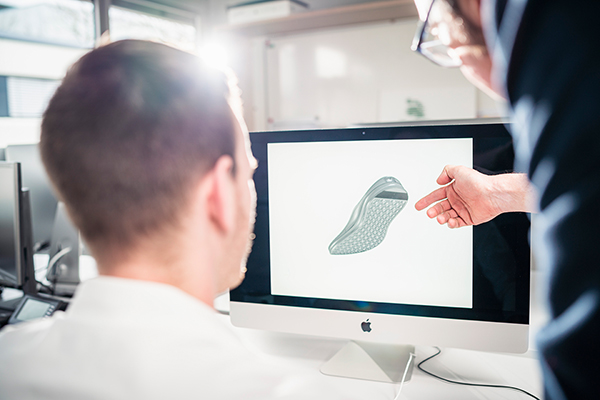
To ensure that it helps to shape future trends instead of just following them, BÄR regularly invests in collaborations and funding programmes which foster the brand’s development and long-term competitiveness. This might make it possible to develop sneakers which have a reduced carbon footprint or contain innovative vegan leather, for instance. Innovation does not just offer a glimpse of the future: it also paves the way for the way we will live in the future.


Optimising processes

Modern technology along with optimised production and project processes enable BÄR to implement suggestions and new projects efficiently whilst also conserving resources. Home working, new space solutions and cutting-edge software make it possible for us to respond agilely and flexibly. This means that we can keep developing long-lasting footwear that offers wearers years of comfort.


BÄR support VOX MARIS - From waste to new life

The VOX MARIS project, developed by the BioDesign Foundation, is the latest technology to recycle global tons of plastic that end up in the ocean. BioDesign Foundation is a non-profit organization and always proclaims a message of hope and positivity. BÄR is pleased to support the project financially and to work as a cooperation partner with VOX MARIS. In this way, BÄR is making a significant contribution to the revitalisation of the oceans. 

THE IDEA 

"The idea of the BioDesign Foundation was born out of a desire to go one step further. They believe that the solution is not to bring plastic waste from the oceans to land and then destroy it, but to find a way to give it a second life and a second use" - This is where the BioDesign Foundation's idea for the VOX MARIS project came from.
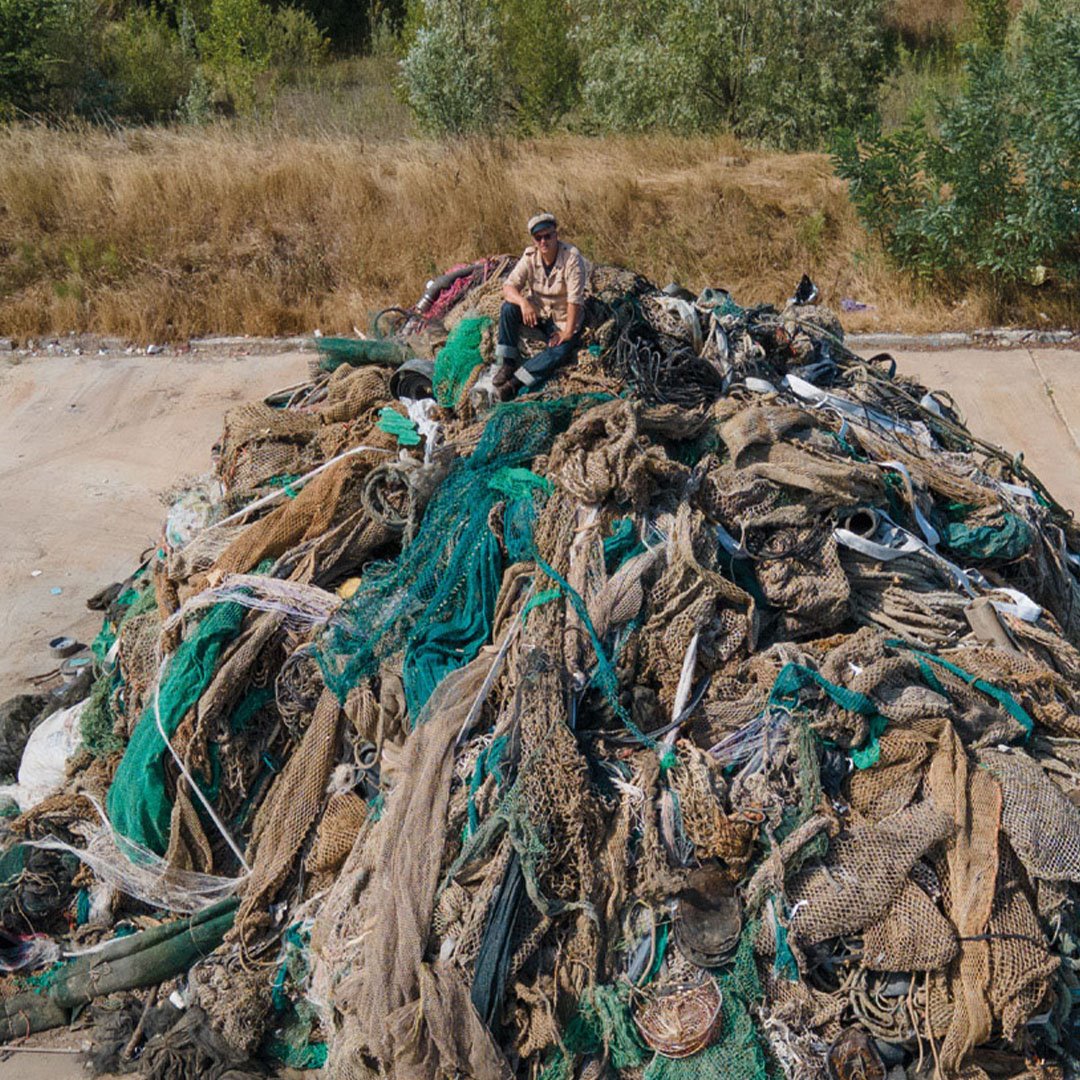
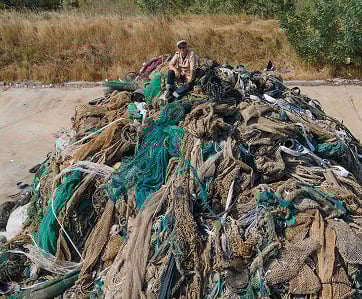
A person is sitting on top of a huge pile of old, tangled fishing nets in an open area with grassy surroundings.
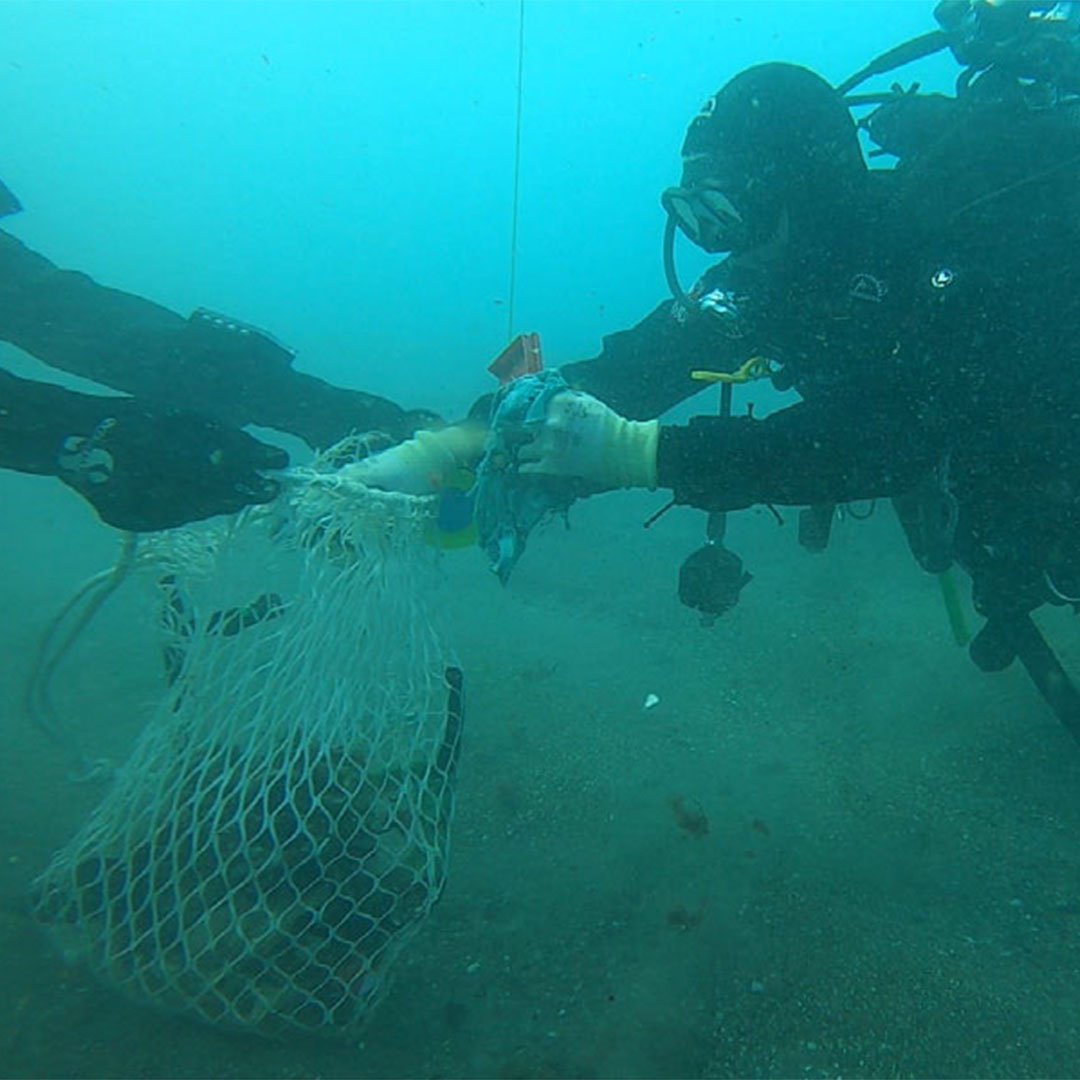
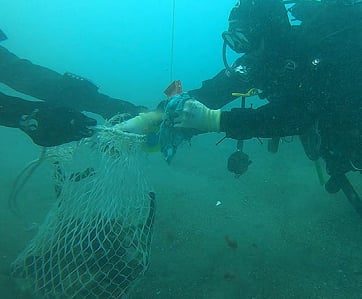
Underwater scene of two divers removing debris from the ocean floor with a net.
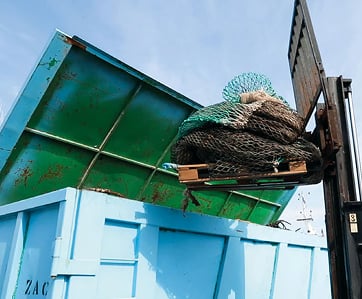
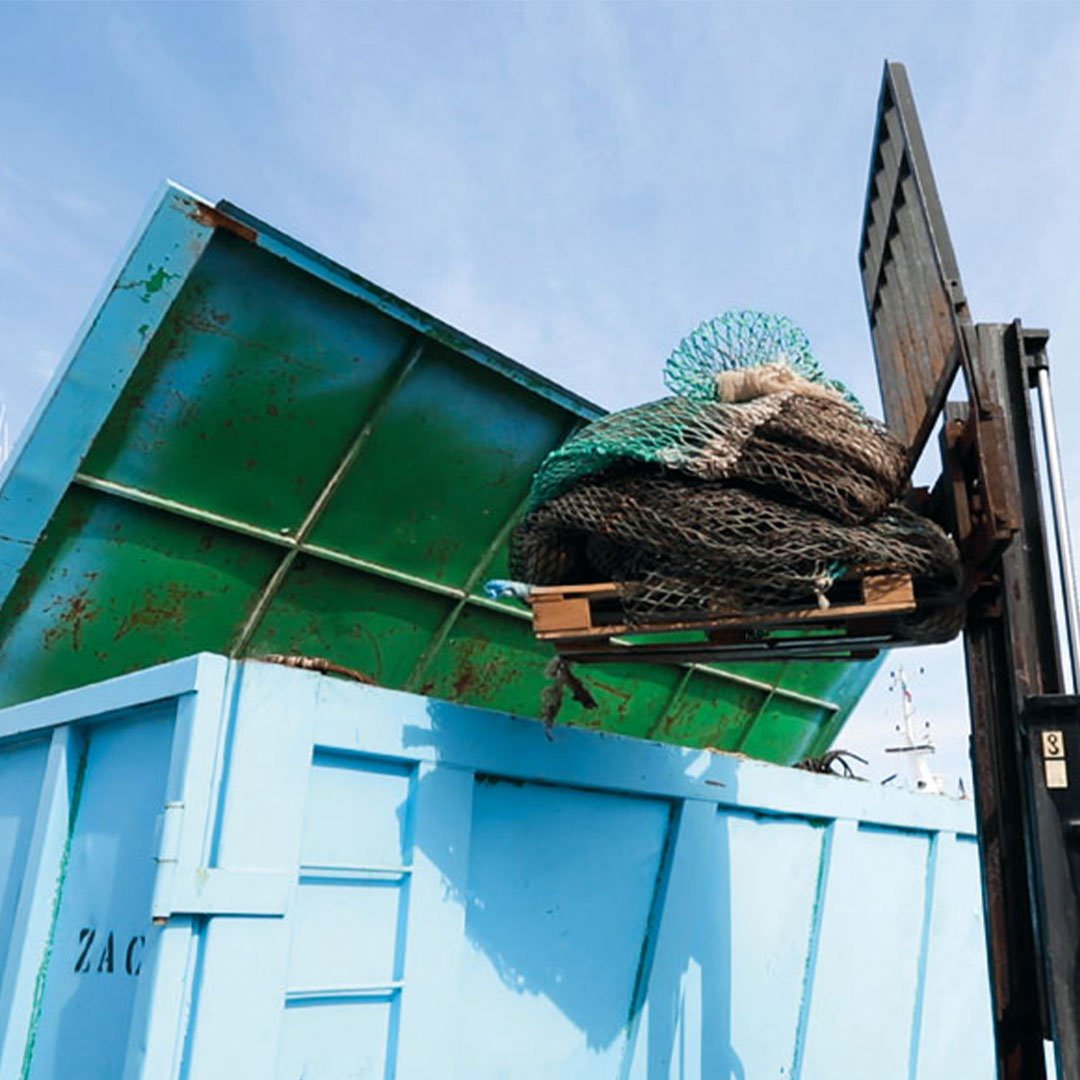
A forklift lifts a pallet covered with nets into a large blue container under a clear sky.

Most of the world's ocean litter is made of plastics


Unfortunately, much of the marine food is made of plastic. Plastic breaks down into several parts and can be divided into nanoplastics and microplastics. Nanoplastic is the smallest part that sinks deep into the ocean and lands on plankton. Microplastic is the larger part which spreads on the water like in a soup and consequently is also eaten by marine animals.


Recovery of the lost plastic


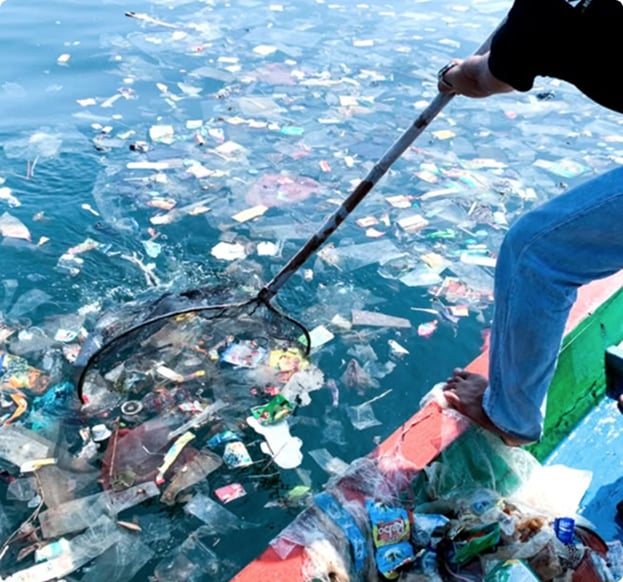
100 kg of plastic is collected daily by fishing boats. To promote the recovery with it, fishermen are paid for their caught plastic waste. The boats bring their plastic catch back to the HARBOUR COLLECTION CENTERS at the port. In Italy, a partner has been found to make the dream of cleaning up the oceans a reality. With a research team that has been working for more than 10 years to develop a prototype for a thermo-compacting system, it is possible to start this recovery of the lost plastic. 

Vox Maris partnership badge with waves and text 'We Clean the Oceans'

Sustainability at BÄR

How we act responsibly

Venn diagram illustrating the overlap between ecology, social, and economic factors

Support sustainability!

BÄR shoes are already a sustainable product due to their product and production philosophy. Bär supports the three areas of social, economic and ecological sustainability with a comprehensive sustainability strategy.

The jury of the German Sustainability Award emphasises: "BÄR has integrated sustainable solutions in all areas of the company and has been assuming ecological responsibility for many years. In its own production in India, BÄR is a pioneer and role model for resource-conserving behaviour and sustainability. For example, they cover over 60% of their energy requirements with renewable energy and save around 81 tonnes of CO2 per year.

Find out more about our packaging concept

Venn diagram illustrating the overlap between ecology, social, and economic factors

Support sustainability!

BÄR shoes are already a sustainable product due to their product and production philosophy. Bär supports the three areas of social, economic and ecological sustainability with a comprehensive sustainability strategy.

The jury of the German Sustainability Award emphasises: "BÄR has integrated sustainable solutions in all areas of the company and has been assuming ecological responsibility for many years. In its own production in India, BÄR is a pioneer and role model for resource-conserving behaviour and sustainability. For example, they cover over 60% of their energy requirements with renewable energies, saving around 81 tonnes of CO2 per year.

Packaging concept

Dr Claudia Schulz

Dr Claudia Schulz, also known as "Dr Schuh", is a shoe expert, press spokeswoman for the Federal Association of the Shoe and Leather Industry and the "German Shoe Institute", presenter, trend consultant, blogger and freelance journalist. Her mission: The shoe! Dr Schulz asks Christof Bär, Managing Director of BÄR Manufaktur, a few questions about sustainability, the company idea, leather and many other aspects.

Read the full interview

a

Dr Claudia Schulz

Dr Claudia Schulz, also known as "Dr Schuh", is a shoe expert, press spokeswoman for the Federal Association of the Shoe and Leather Industry and the "German Shoe Institute", presenter, trend consultant, blogger and freelance journalist. Her mission: The shoe! Dr Schulz asks Christof Bär, Managing Director of BÄR Manufaktur, a few questions about sustainability, the company idea, leather and many other aspects.

Full interview

What we do today determines what the world will look like tomorrow!

We sell our shoes ourselves and can plan our quantities precisely; remaining pairs are offered in our outlet. we use leftover material either for new models or for accessories such as bags or shoehorns. That is important to us.

View in shop now

Discover our sustainability areas

Discover BÄR's commitment to people, the planet and the craftsmanship in our shoes.
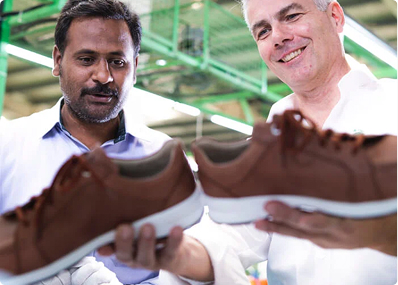
ecological sustainability

Renewable energies

The same climate protection requirements apply to the BÄR brand in India as in Germany. In India, as in Germany, we generate more than 60% of our own energy requirements from renewable sources. A wastewater treatment plant in Ambur (India) provides an impressive 16,000 litres of groundwater per day. This plant also saves energy by eliminating the need to pump water from the well. The absence of harmful chemicals in gardening eliminates soil pollution. In 2020, we were also able to save 81.78 tonnes of CO2, which is the equivalent of driving a mid-range petrol car around the world 10 times over approx. 400,000 km.

Quality lasts

The basic idea of sustainability is first and foremost that a product should last as long as possible. The later a product has to be replaced, the less waste is produced and the more sustainable it is. For this reason, our motto is: Quality lasts!

BÄR shoes last two to four times longer than conventional shoes! The materials used at Bär are subject to strict quality requirements and tests with regard to durability. The function of the materials used should be maintained throughout the entire service life. We offer a two-year guarantee for our Joe Nimble® sports brand.

Origin of the raw materials

When leather is processed correctly, it becomes recyclable and biodegradable. Leather is a natural product that has been used for hundreds of years and is extremely durable if it is well cared for. At Bär, we also pay very close attention to the quality and origin of our materials. This is why we buy a large proportion of our leather in Europe from suppliers and traditional companies that we know and that we regularly check for quality, performance and working processes/conditions. The rest of the leather, such as lining leather, we buy close to production in India, where we are 100% convinced of the quality.
ecological sustainability

Fairness

We do not categorise our employees according to culture, faith, gender or inclination. We also stand for the clear prohibition of child and forced labour or discrimination. The working conditions in our domestic and foreign operations are regularly audited and certified - see certificates. Humane and fair working conditions, appropriate remuneration and health and safety in the workplace are a priority for us as a family business. This applies to our employees, store operators and suppliers.

Social responsibility

Our actions are characterised by respect and appreciation for people and nature. Good working conditions are very important to us. In addition to healthy nutrition and the ecological and ergonomic design of the workplace, we offer flexible and individualised working time models including home office, part-time work and training opportunities.

Social commitment

The Bär brand sees the support of social projects worldwide as an important part of social sustainability. Bär supports a school for the deaf and dumb in India, e.g. with the installation of a drinking water filter system in 2020, as well as school uniforms and teaching materials. BÄR is also involved in numerous other social projects:
- regular shoe donations to the Invitare Foundation, for example
- Support for the Lions Club,
- MNS donations to schools in Bietigheim-Bissingen
ecological sustainability

Promoting education

To ensure long-term economic sustainability, the BÄR brand invests in the future by supporting young people from the region after they graduate from school with training or as part of the dual study programme, which is unique in the world. As a recognised IHK training centre, Bär employs up to 20 trainees and students in various areas. From product management to purchasing, accounting, but also digitalisation and web design, all areas are represented and thus ensure that BÄR's expertise is maintained and expanded.

Innovation

BÄR regularly invests in collaborations and support programmes that not only promote the progress of the BÄR brand, but also maintain its competitiveness in the long term, so that it can not only keep up with future trends, but also participate in them. This enables the development of trainers that have a lower carbon dioxide value or contain new types of vegan leather, for example. Innovation therefore not only enables us to look to the future, but also to live in the future.

Process optimisation

Thanks to modern technology and optimised production processes and project workflows, BÄR is able to implement suggestions and new projects efficiently and in a way that conserves resources. The implementation of home office, new room solutions and the latest software enables agile and flexible response options. This gives us the freedom to continue working on shoes that are comfortable and durable in the long term.
BÄR supports VOX MARIS, from waste to new life

The VOX MARIS project, developed by the BioDesign Foundation, is the latest technology to reuse tonnes of plastic that end up in the sea worldwide. The BioDesign Foundation is a non-profit organisation and always proclaims a message of hope and positivity. BÄR is pleased to be able to support the project financially and to work together with VOX MARIS as a co-operation partner. In this way, BÄR is making a significant contribution to the revitalisation of the oceans.

The idea

"The idea of the BioDesign Foundation was born out of a desire to go one step further. They believe that the solution is not to bring plastic waste from the oceans to the mainland and then destroy it, but to find a way to give it a second life and a second use" - this is how the BioDesign Foundation came up with the idea for the VOX MARIS project.
Most of the world's marine litter is made of plastic

Unfortunately, a large proportion of marine animal food consists of plastic. Plastic breaks down into several parts and can be divided into nanoplastics and microplastics. Nanoplastic is the smallest part, which sinks deep into the sea and ends up on the plankton. Microplastic is the larger part, which spreads like a soup in the water and is therefore also eaten by marine animals.

Recovering the lost plastic

100kg of plastic is collected by fishing boats every day. To promote recovery, fishermen are paid for the plastic waste they catch. The boats bring their plastic catch back to the HARBOUR COLLECTION CENTERS at the harbour. In Italy, a partner has been found to realise the dream of cleaning up the oceans.

With a research team that has been working for more than 10 years on the development of a prototype for a thermocompacting system, it is possible to start this recovery of lost plastic.

The Custodians Plastic Race "We Clean the Planet" 2023